
Semaglutide, Tirzepatide, Retatrutide
-

Health Risk
Obesity can lead to a number of serious health conditions, Including:
Heart Disease and Stroke: Extra weight will make it more likely that you will develop high blood pressure, high cholesterol, and type 2 diabetes.
Type 2 Diabetes: Obesity can affect the way your body uses insulin to control blood sugar levels, increasing your risk of insulin resistance and diabetes.
Certain Cancers: Obesity may increase your risk of certain types of cancer, including breast, colon, endometrial, kidney, esophagus, and pancreatic cancers.
Digestive Problems: Obesity increases the likelihood of developing heartburn, gallbladder disease, and liver problems.
-

Body Mass Index (BMI)
BMI, or Body Mass Index, is a widely used metric that provides a general estimate of an individual's body composition based on their height and weight. It is calculated by dividing a person's weight in kilograms by the square of their height in meters. The resulting number is then used to categorize the individual's weight status, ranging from underweight to obese.
While BMI can be a useful tool for population-level health assessments, it has limitations when applied to individual cases. It does not account for factors such as muscle mass, bone density, or body fat distribution, which can significantly impact a person's overall health and fitness. Additionally, BMI thresholds may vary based on factors like age, gender, and ethnicity.
It is important to consider BMI as one of many factors in assessing an individual's health and to consult with a healthcare professional for a more comprehensive evaluation.
-

Managing Obesity with GLPs
Clinical trials have demonstrated the efficacy of GLPs in achieving substantial and sustained weight reduction in individuals with obesity. In the SURPASS-1 study, participants receiving GLPs experienced an average weight loss of up to 22.5% from baseline, significantly outperforming the placebo group. The medication's dual mechanism of action, which enhances insulin secretion and suppresses glucagon release, contributes to its potent effects on weight management.
Beyond weight loss, GLPs have also been shown to improve various cardiometabolic parameters, including glycemic control, lipid profiles, and blood pressure. These benefits can have a profound impact on reducing the risk of obesity-related comorbidities, such as type 2 diabetes, cardiovascular disease, and non-alcoholic fatty liver disease.
The safety profile of GLPs have been generally well-tolerated, with the most common adverse events being gastrointestinal in nature, such as nausea, vomiting, and diarrhea. These side effects are typically mild to moderate and tend to subside over time as the body adjusts to the medication.
-
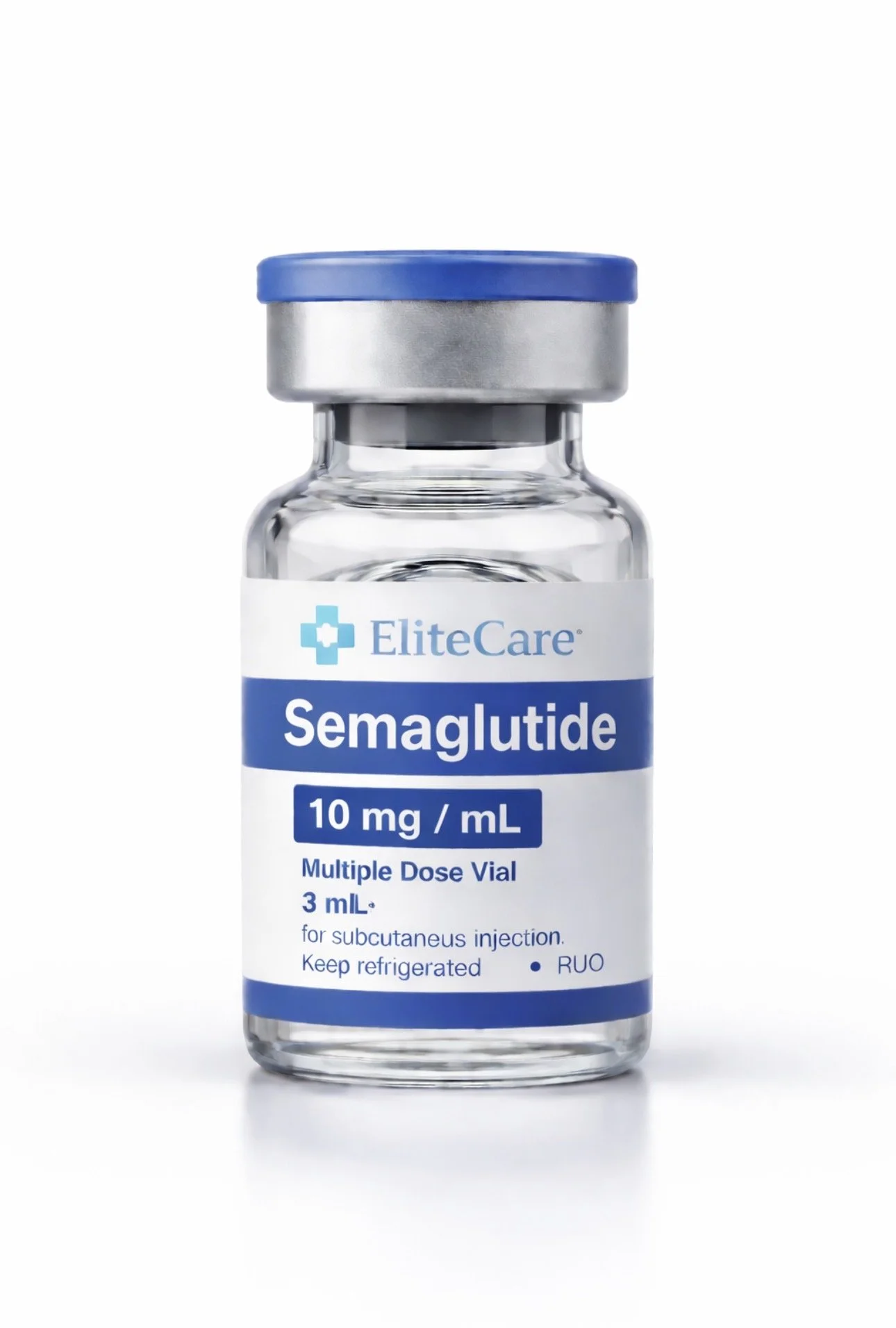
Semaglutide
Dose Ranges from 0.25mg - 2.5mg Max
-
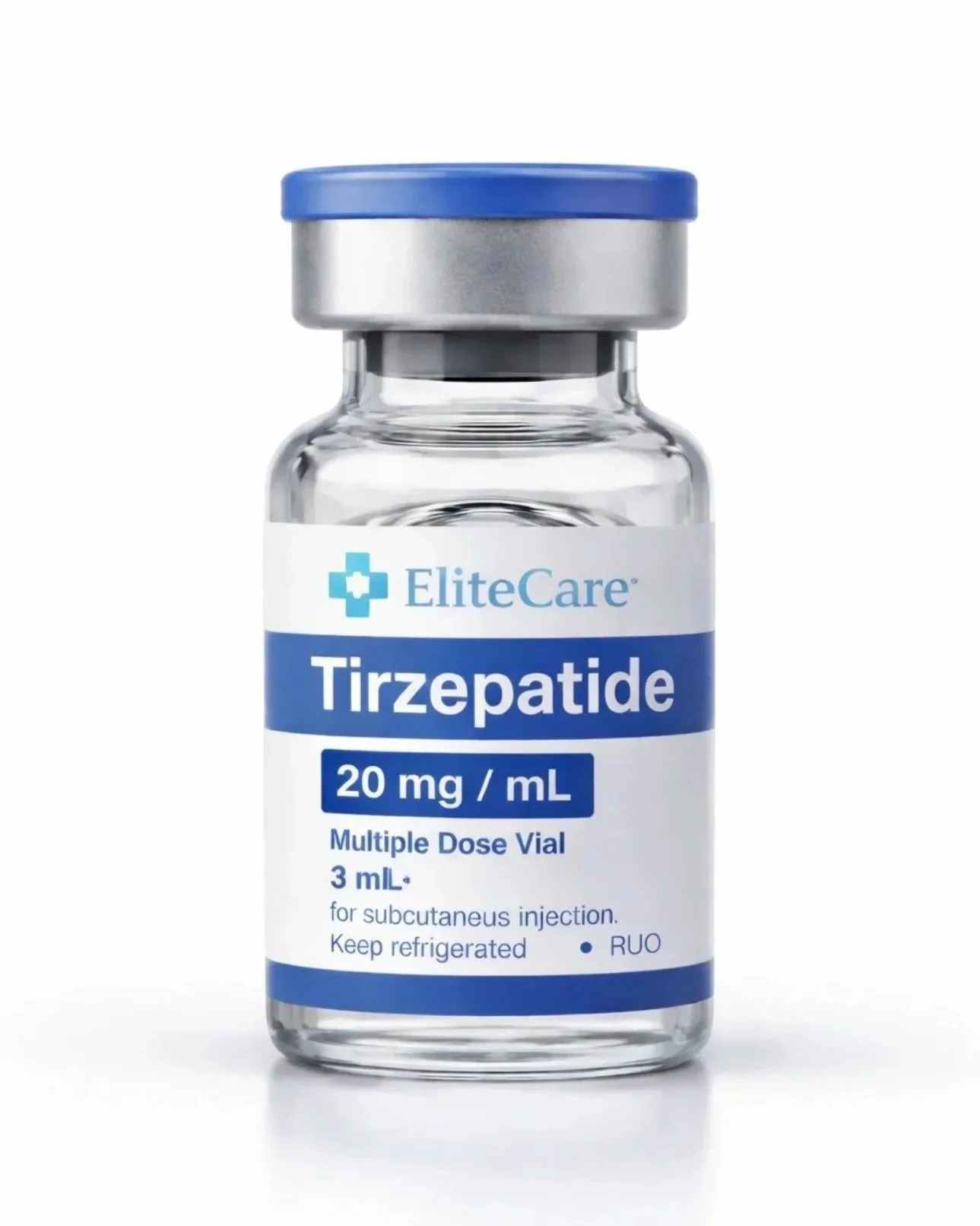
Tirzepatide
Dose Ranges from 0.5mg - 15mg Max
-
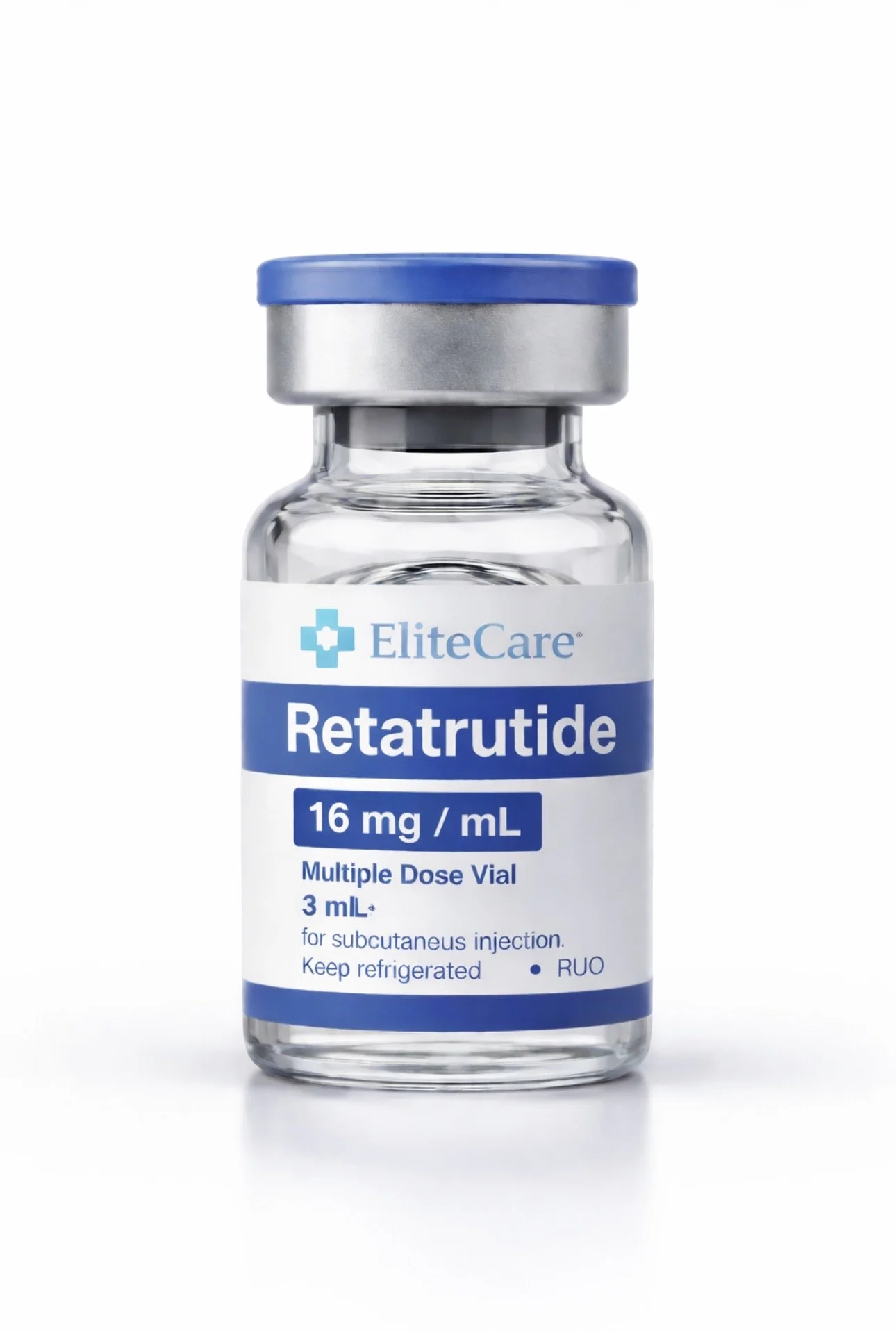
Retatrutide
Dose Ranges from 0.5mg - 12mg Max